Pullman National Historical Park
Precaución Ver 1 alerta actual
Alertas actuales (1)
-
Precaución
Road Construction Near the Park
There is road construction near the park visitor center along 111th St. and S. Cottage Avenue. Please use caution and allow extra travel time when visiting. Construction is expected to last through the fall. In addition, on occasion the vehicle entrance for parking at 610 E. 111th street is limited to one lane.
Horarios
Administration Clock Tower Building Visitor Center
| Lunes – Martes | Closed |
|---|---|
| Miércoles – Domingo | 10:00AM - 4:00PM |
Próximamente:
- 26 nov.: Thanksgiving (cerrado)
Pullman National Historical Park is a living, historic neighborhood composed of primarily private residences. Due to it being an active neighborhood just as in any other urban area, visitors are free to explore whenever they feel comfortable.
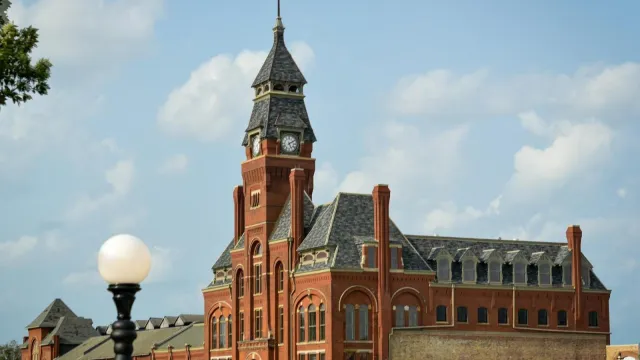
The Administration Clock Tower Building Visitor Center is open to the public.
Centros de visitantes
Administration Clock Tower Building Visitor Center
Administration Clock Tower Building Visitor Center
| Lunes – Martes | Closed |
|---|---|
| Miércoles – Viernes | 10:00AM - 4:00PM |
| Sábado | 10:00PM - 4:00PM |
| Domingo | 10:00AM - 4:00PM |
Próximamente:
- 26 nov.: Thanksgiving Day (cerrado)
The Administration Clock Tower Building Visitor Center is open from Wednesday - Sunday from 10AM - 4PM during hours of standard operation. We are closed on Thanksgiving Day, Christmas Day, and New Years Day. We have interactive and engaging exhibits, knowledgeable ranger staff and volunteers, and information on how to explore the rest of Pullman National Historical Site and our partners.
Eventos de los próximos días
-
Daily Ranger Guided Tours
· 01:00 PM – 01:45 PM · Gratis
Sobre este parque
In a growing Chicago neighborhood, diverse people and stories intertwined. All were seeking opportunity. Some succeeded. Others were limited—by race, gender, or economic status. Their stories came together in Pullman, a planned industrial community famed for its urban design and architecture.