Ste. Geneviève National Historical Park
Sin alertas actuales
Alertas actuales (0)
El Servicio de Parques Nacionales no tiene alertas para este parque en este momento.
Horarios
Ste. Genevieve National Historical Park
| Todos los días | 9:00AM - 5:00PM |
|---|
Próximamente:
- 1 nov. – 28 feb.: Winter Hours
- 26 nov.: Closed Thanksgiving Day (cerrado)
Ste. Genevieve National Historical Park and the Ste. Genevieve Welcome Center is open daily with the exception of Thanksgiving, Christmas, and New Year's Day.
For program information and access to historic structures, please check with staff at the Ste. Genevieve Welcome Center, 573-880-7189.
Centros de visitantes
Ste. Genevieve Welcome Center
Ste. Genevieve National Historical Park Visitor Center
| Todos los días | 9:00AM - 5:00PM |
|---|
Próximamente:
- 1 nov. – 28 feb.: Winter Hours
- 26 nov.: Closed Thanksgiving Day (cerrado)
Ste. Genevieve National Historical Park is open daily from 9AM to 5PM with the exception of Thanksgiving, Christmas, and New Year's Day holidays.
Inside the Visitor Center, find out all there is to see and do in Ste. Genevieve, including the area history, attractions, where to eat & sleep, local tours, and annual events.
Página del centro de visitantes en nps.gov: Ste. Genevieve Welcome Center
Eventos de los próximos días
-
Featured Focus
· 11:00 AM – 11:30 AM · Location varies by program topic. · Gratis
-
Meet the Neighbors
· 01:30 PM – 02:00 PM · Location varies by program topic. · Gratis
-
Large Group Available for Reservation - Morning
· 09:30 AM – 12:00 PM · Gratis
-
Large Group Available to Reserve - Afternoon
· 01:00 PM – 03:30 PM · Gratis
-
Large Group Available for Reservation - Morning
· 09:30 AM – 12:00 PM · Gratis
-
Large Group Available to Reserve - Afternoon
· 01:00 PM – 03:30 PM · Gratis
Sobre este parque
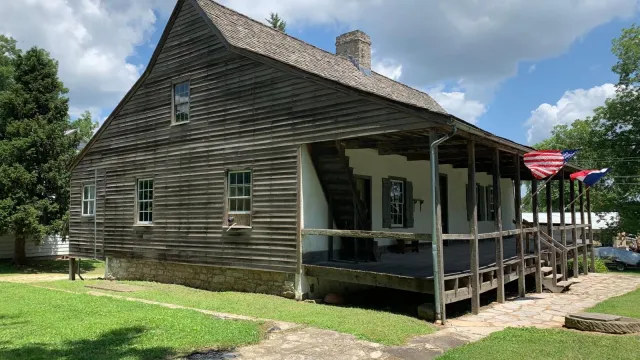
Established by 1750, Ste. Geneviève was the first permanent European settlement in Missouri. Early French Canadian settlers were drawn here by the rich agricultural land known as Le Grand Champ (the Big Field). After the flood of 1785, the town relocated to its present location on higher ground approximately three miles to the northwest of its original site.